Dead Tree Removal in Pottstown, PA
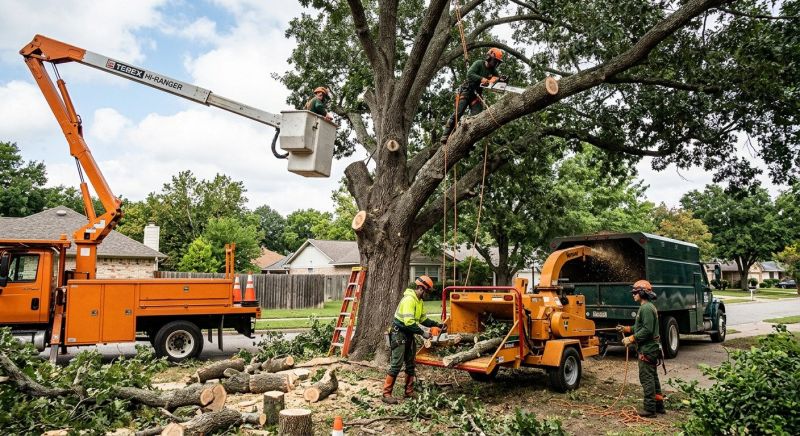
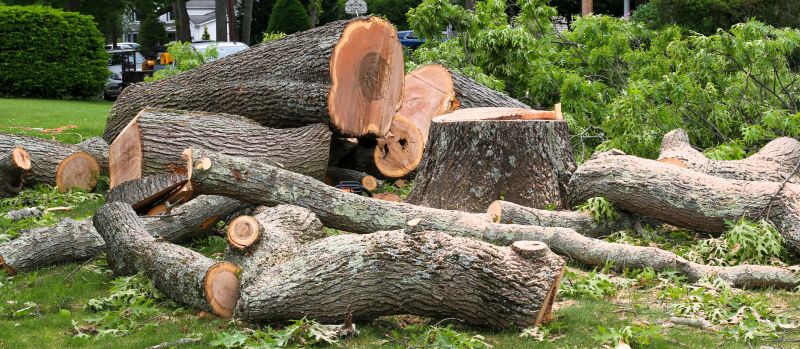
Dead tree removal services involve the safe and efficient removal of trees that are dead, decaying, or posing a risk to property and safety. This type of project typically includes assessing the tree’s condition, carefully cutting it down, and removing the debris from the property. Homeowners often request this service when a tree shows signs of disease, damage from storms, or when it has become a hazard near structures, power lines, or high-traffic areas. Proper removal helps prevent potential property damage, injury, or interference with landscaping and outdoor activities.
Before requesting dead tree removal, property owners should consider the size and location of the tree, as well as any nearby structures or utilities. It’s also helpful to understand the extent of cleanup involved, including the removal of large branches and stump grinding if needed. Clarifying these details can ensure the project is completed safely and efficiently, minimizing disruption to the property and surroundings.
Many property owners in Pottstown, PA look into Dead Tree Removal for repairs, replacements, upgrades, and appearance-related improvements.
Reasons For Dead Tree Removal
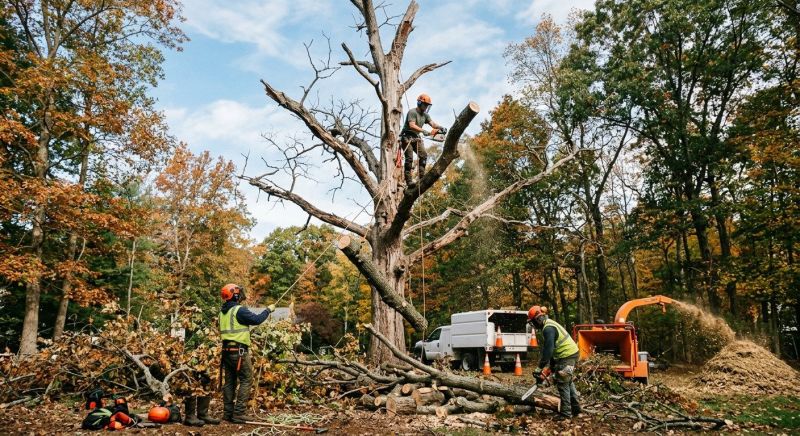
Removing dead trees helps prevent potential property damage and safety hazards on residential and commercial properties in pottstown, pa.
Signs A Tree Needs Removal
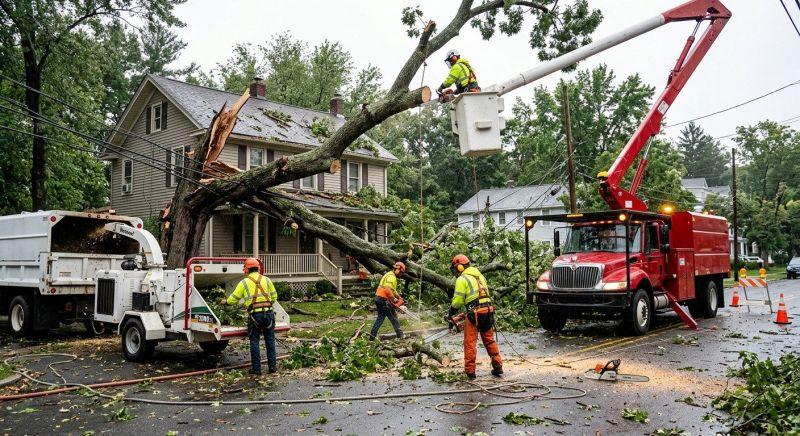
Indicators include dead or dying branches, trunk decay, and leaning trees that pose risks to nearby structures.
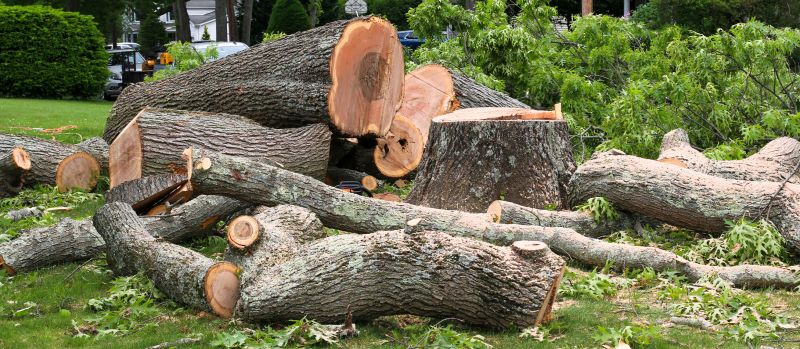
Benefits Of Professional Removal
Professional dead tree removal ensures safety, minimizes damage to surrounding landscape, and maintains the aesthetic of your property.
Dead Tree Removal in Pottstown, PA
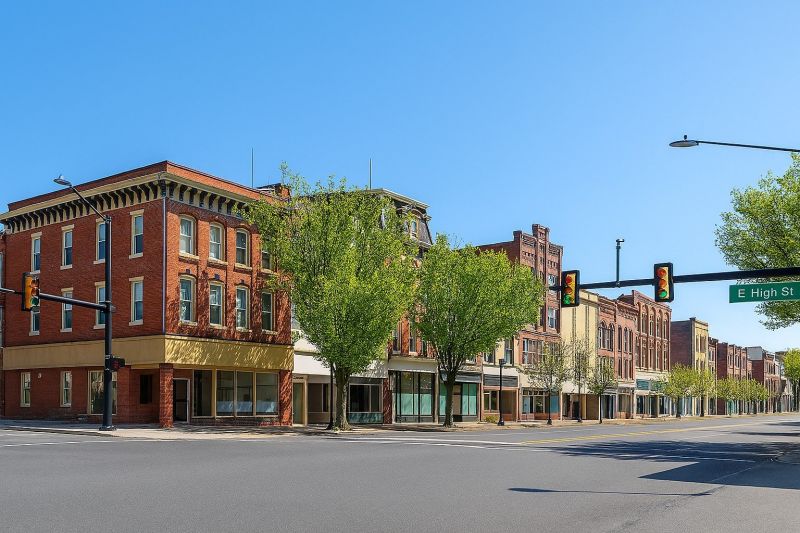
Dead tree removal services involve the safe and efficient removal of trees that are dead, decaying, or posing a risk to property and safety. This type of project typically includes assessing the tree’s condition, carefully cutting it down, and removing the debris from the property. Homeowners often request this service when a tree shows signs of disease, damage from storms, or when it has become a hazard near structures, power lines, or high-traffic areas. Proper removal helps prevent potential property damage, injury, or interference with landscaping and outdoor activities.
Before requesting dead tree removal, property owners should consider the size and location of the tree, as well as any nearby structures or utilities. It’s also helpful to understand the extent of cleanup involved, including the removal of large branches and stump grinding if needed. Clarifying these details can ensure the project is completed safely and efficiently, minimizing disruption to the property and surroundings.
Many property owners in Pottstown, PA look into Dead Tree Removal for repairs, replacements, upgrades, and appearance-related improvements.
Common Dead Tree Removal Jobs
Dead Tree Removal - safely removes hazardous or dead trees to protect property and safety.
Stump Grinding - eliminates tree stumps to clear space and prevent pest infestations.
Emergency Tree Removal - addresses urgent tree hazards caused by storms or damage.
Selective Tree Removal - removes specific trees to improve landscape health and aesthetics.
Tree Crown Thinning - reduces tree density to enhance light and airflow while maintaining the tree’s health.
Hazard Tree Assessment - evaluates tree stability to determine the need for removal or further action.
Dead Tree Removal Questions
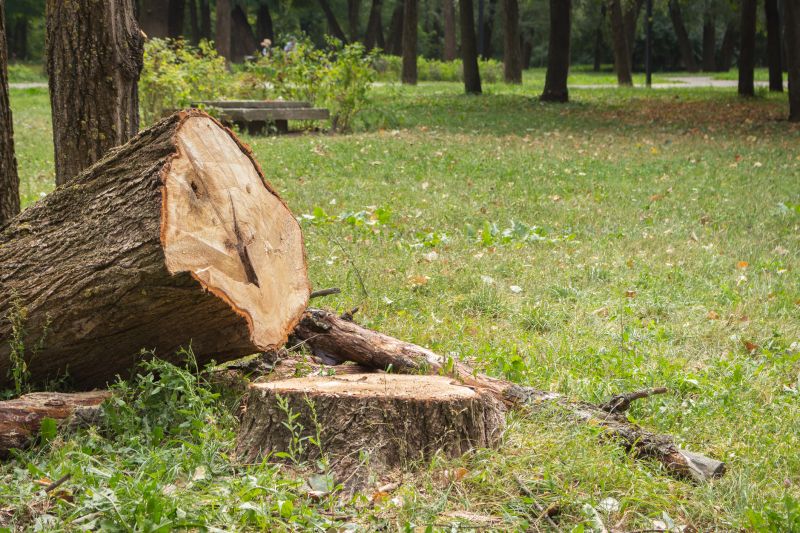
Why remove a dead tree? Dead trees can pose safety hazards, block sunlight, and affect the health of surrounding plants.
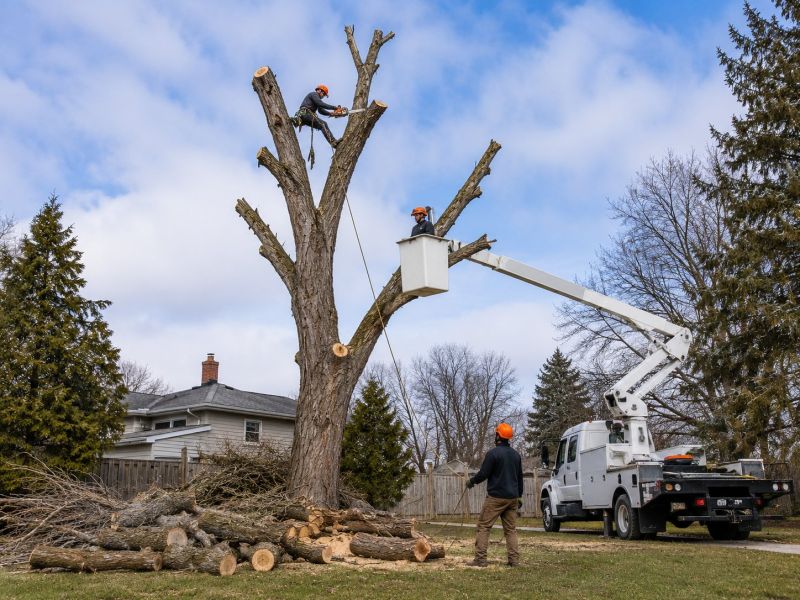
How is a dead tree removed? The process involves cutting the tree into manageable sections and safely lowering it to the ground.
When is dead tree removal necessary? Removal is recommended when a tree shows signs of disease, decay, or poses a risk to property or people.
Are there alternatives to removal? In some cases, pruning or treatment may be suitable, but removal is often the best option for safety and property preservation.
Request Dead Tree Removal in Pottstown, PA
Use the quote form on this page to share the basics of your project and request more information for the type of work you need.