Get Fruit Tree Trimming in Bergen County, NJ
Local contractors in Bergen County, NJ, can trim overgrown or damaged fruit trees, improve their health, and shape them for better growth and fruit production.
Property owners in Bergen County, NJ often consider fruit tree trimming as part of their landscape management. Proper pruning can promote healthier growth, improve fruit production, and maintain the overall appearance of the trees. Whether planning a seasonal project or aiming to address specific concerns, exploring local service providers can help ensure the work is done effectively and safely. Comparing options among nearby contractors allows property owners to find experienced professionals who understand the unique needs of trees in the Bergen County area.
Keeping fruit trees well-maintained is an important aspect of caring for a property’s landscape. Local contractors specializing in fruit tree trimming can assist with shaping trees, removing dead or diseased branches, and supporting overall tree health. As property owners evaluate their landscape projects, considering trusted service providers in the community can make the process smoother and more manageable. Continue reading to learn more about how local experts can support your tree care goals.
- Fruit Tree Trimming - needed when fruit trees in Bergen County neighborhoods require pruning to promote healthy growth and maximize harvests.
- Fruit Tree Pruning - essential for orchard owners seeking to improve fruit quality and prevent disease in their local yards.
- Seasonal Fruit Tree Care - recommended when preparing trees for winter or encouraging spring blossom in nearby communities.
- Fruit Tree Shaping - useful for homeowners wanting to maintain the desired size and shape of trees in their Bergen County properties.
- Fruit Tree Maintenance - necessary for orchard operators or homeowners aiming to keep trees productive and free of pests in the local area.
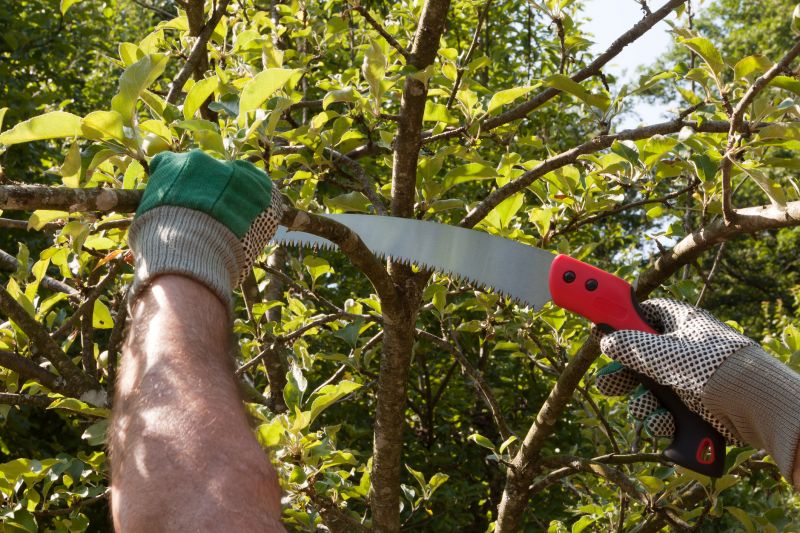
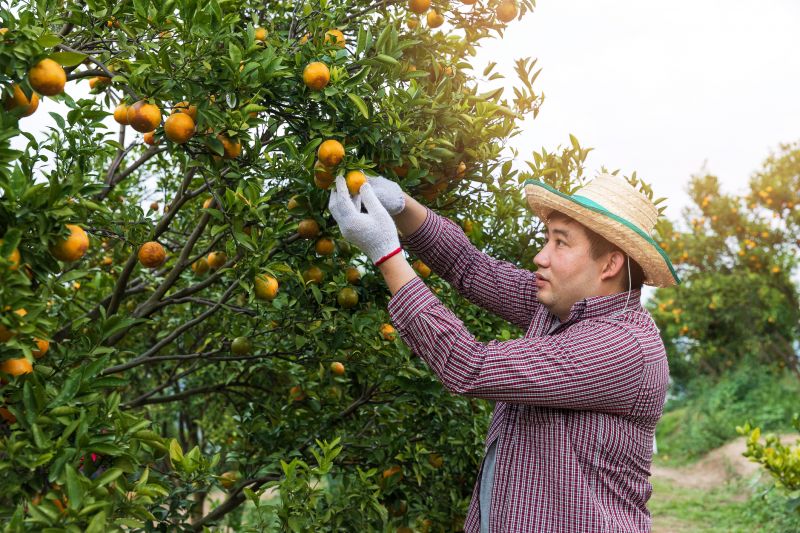
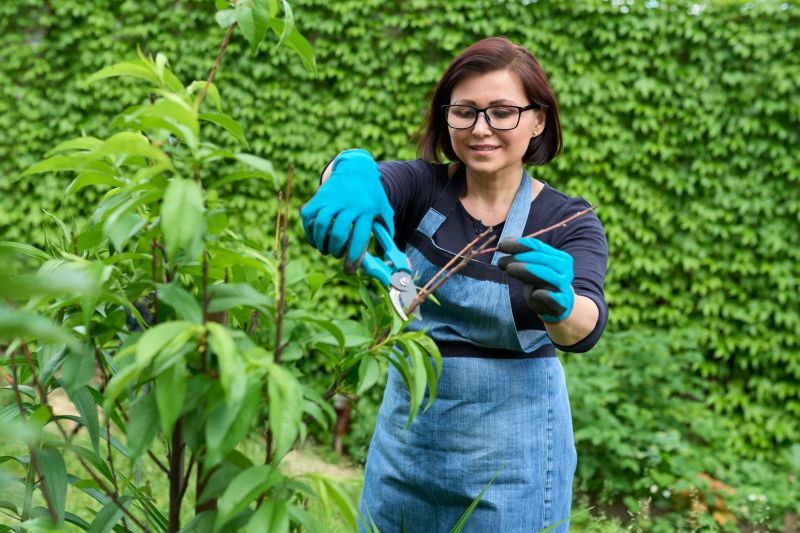
Fruit tree trimming services involve carefully pruning and shaping fruit-bearing trees to promote healthy growth and maximize fruit production. This process typically includes removing dead or diseased branches, thinning out crowded areas, and cutting back overgrown limbs to improve air circulation and sunlight exposure. Proper trimming not only helps maintain the tree’s overall health but also encourages the development of stronger branches that can support abundant fruit yields. Skilled service providers understand the specific needs of different types of fruit trees, ensuring that each one receives the appropriate care to thrive season after season.
Regular fruit tree trimming can help address common problems such as pest infestations, disease spread, and structural issues. Overgrown or poorly maintained trees are more susceptible to pests and diseases that can diminish fruit quality or even kill the tree. Additionally, unbalanced or damaged branches can lead to breakage during storms or heavy fruit loads, creating safety hazards and potential property damage. By removing problematic branches and maintaining proper tree structure, these services help prevent future health issues and extend the lifespan of the trees, ensuring a productive harvest year after year.
Property types that typically benefit from fruit tree trimming include residential yards, orchards, and community gardens. Homeowners with fruit trees in their backyards often seek trimming services to improve the appearance of their landscape and ensure the health of their trees. Larger properties, such as farms or orchards, may require more extensive pruning to manage multiple trees efficiently and maximize fruit production. Even community spaces with shared fruit trees can see benefits from professional trimming, which helps keep the trees safe, healthy, and productive for everyone to enjoy.
Homeowners and property managers should consider fruit tree trimming when they notice issues like uneven growth, broken branches, or a decline in fruit quality. Trees that have become overgrown or have visible signs of disease may also need professional attention to restore their health. Regular trimming can help prevent problems before they become severe, saving time and effort in the long run. When looking for assistance, it’s important to find experienced local contractors who understand the specific needs of fruit trees in Bergen County, NJ, and nearby areas, ensuring the work is done safely and effectively.
The overview below groups typical Fruit Tree Trimming projects into broad ranges so you can see how smaller, mid-sized, and larger jobs often compare in Bergen County, NJ.
In many markets, a large share of routine jobs stays in the lower and middle ranges, while only a smaller percentage of projects moves into the highest bands when the work is more complex or site conditions are harder than average.
Small Tree Trimming - Typical costs range from $150 to $400 for routine pruning of small to medium-sized trees. Many local contractors handle these jobs regularly within this range. Larger or more complex projects may cost more but are less common.
Medium Tree Pruning - Expect to pay between $400 and $800 for trimming larger trees or more extensive shaping. Many projects fall into this middle tier, with fewer reaching the upper end of the range due to complexity.
Large Tree Trimming - Costs for large or mature trees can range from $800 to $2,000 or more, especially for trees requiring specialized equipment or safety measures. These projects are less frequent but necessary for extensive or hazardous trimming jobs.
Full Tree Removal - Complete removal of a tree typically costs between $1,000 and $3,000, depending on size, location, and complexity. Larger, more complicated removals can exceed this range, though such cases are less common.
Actual totals will depend on details like access to the work area, the scope of the project, and the materials selected, so use these as general starting points rather than exact figures.
Ornamental shrub trimming - local contractors skilled in shaping and pruning decorative shrubs share techniques used in fruit tree trimming to promote healthy growth and aesthetic appeal.
Vine and trellis pruning - professionals who prune vines and trellises utilize similar planning and cutting methods as those used for maintaining fruit trees.
Landscape pruning services - landscape maintenance experts often perform pruning that involves similar tools and planning as fruit tree trimming to ensure plant health and structure.
Berry bush pruning - specialists in pruning berry bushes apply comparable techniques to fruit tree trimming, focusing on proper cuts and plant health.
Orchard management - orchard service providers handle large-scale pruning and maintenance, using skills applicable to smaller fruit tree trimming projects.
Garden shrub and hedge shaping - hedge trimming professionals utilize similar tools and planning strategies as those used in fruit tree trimming to achieve desired shapes and health.
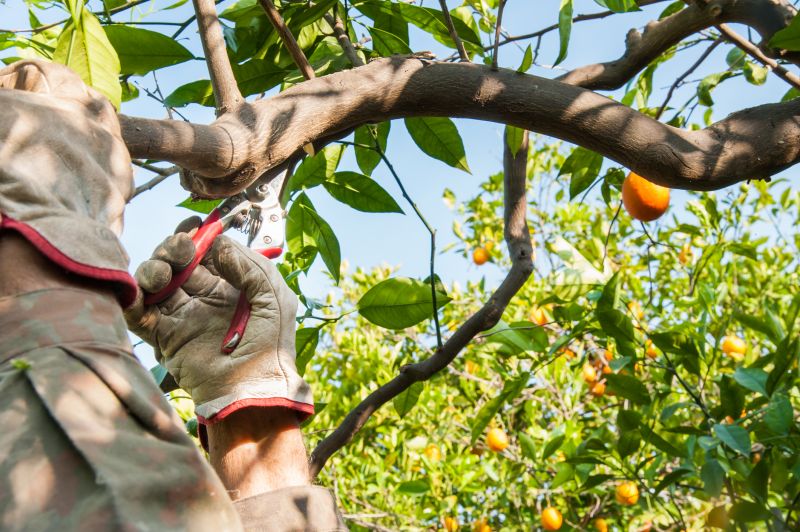
When evaluating options for fruit tree trimming, it’s important to consider the experience of local contractors with similar projects. Homeowners should look for service providers who have a proven track record of working on fruit trees, as this specialized work often requires knowledge of pruning techniques that promote healthy growth and fruit production. Asking about the types of trees they have previously serviced can help gauge their familiarity with the specific needs of fruit trees and ensure they have the practical experience necessary for quality results.
Clear, written expectations are essential when selecting a service provider for fruit tree trimming. Homeowners should seek out contractors who can provide detailed descriptions of their approach, including the methods they use, the scope of work, and any recommendations for ongoing tree care. Having a transparent understanding of what will be done helps ensure that both parties are aligned on the project’s goals and reduces the potential for misunderstandings or unmet expectations.
Reputable references and effective communication are key indicators of a reliable service provider. Homeowners are encouraged to inquire about references from previous clients who had similar work done, as this can provide insights into the contractor’s professionalism and quality of work. Additionally, service providers who communicate clearly and promptly-whether through phone, email, or in-person-are more likely to be responsive to questions and concerns throughout the project. This level of communication helps foster a smooth working relationship and confidence in the chosen contractor’s ability to handle the job properly.
Property owners in Bergen County, NJ use Fruit Tree Trimming services for practical projects around their homes and businesses. This guide focuses on everyday jobs and straightforward project options.
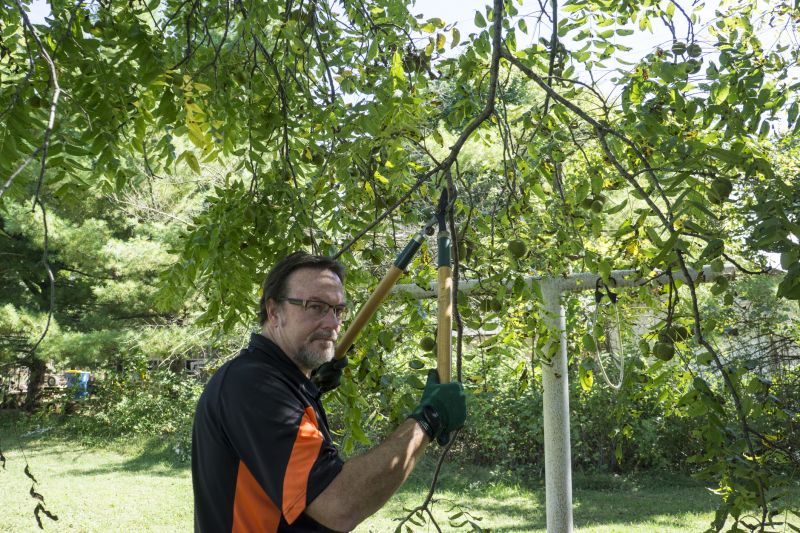
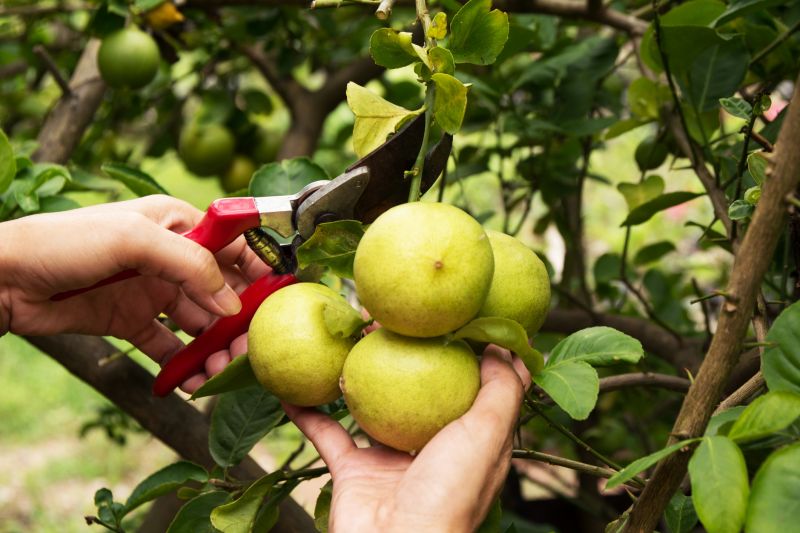
Property owners in Bergen County, NJ often seek fruit tree trimming services to maintain healthy and productive trees on their properties. Overgrown or uneven branches can hinder sunlight exposure and airflow, which may affect fruit development and overall tree health. Additionally, pruning helps prevent branches from becoming too heavy or weak, reducing the risk of damage during storms or high winds common in the area. Local contractors can assist with shaping trees for aesthetic appeal and ensuring they remain safe and manageable for years to come.
Another common reason for seeking fruit tree trimming is to promote better fruit yield and quality. Proper pruning encourages the growth of new, fruitful branches and helps remove any diseased or damaged wood. Homeowners with orchards or backyard fruit trees might also look for professional help to manage the size of their trees, making harvesting easier and safer. Service providers in Bergen County are equipped to handle these everyday situations, ensuring trees stay healthy, attractive, and productive.
Why should I consider fruit tree trimming? Fruit tree trimming helps promote healthy growth, improves fruit production, and maintains the overall shape of the tree, making it easier to harvest.
When is the best time to have fruit trees trimmed? The ideal time for trimming varies by tree type, but many fruit trees are best pruned during late winter or early spring before new growth begins.
How do local contractors determine the right trimming approach? They assess the tree’s age, species, and condition to develop a trimming plan that encourages healthy development and fruiting.
What tools are typically used for fruit tree trimming? Professionals often use pruning shears, loppers, and saws to carefully remove dead or overgrown branches and shape the tree.
Can fruit tree trimming help prevent disease? Yes, proper trimming removes diseased or damaged branches, reducing the risk of infection and promoting overall tree health.
Tree Health Maintenance - Regular trimming helps keep fruit trees healthy and productive throughout the growing season.
Improving Fruit Quality - Proper pruning encourages better sunlight exposure and airflow, resulting in tastier and larger fruit.
Safety and Clearance - Trimming removes hazardous branches that could fall or obstruct pathways around the property.
Aesthetic Enhancement - Well-maintained fruit trees can improve the visual appeal of a yard and create a more inviting outdoor space.
If you are thinking about Fruit Tree Trimming for a property in Bergen County, NJ, this guide is meant to help you understand the work, the typical project types, and how different options might fit your plans.
When you are ready, you can use the quote form on this page to share a few details about your project. From there, local pros can review the basics and respond with options that match what you have in mind.